

Preventive Generator Maintenance for Standby Readiness
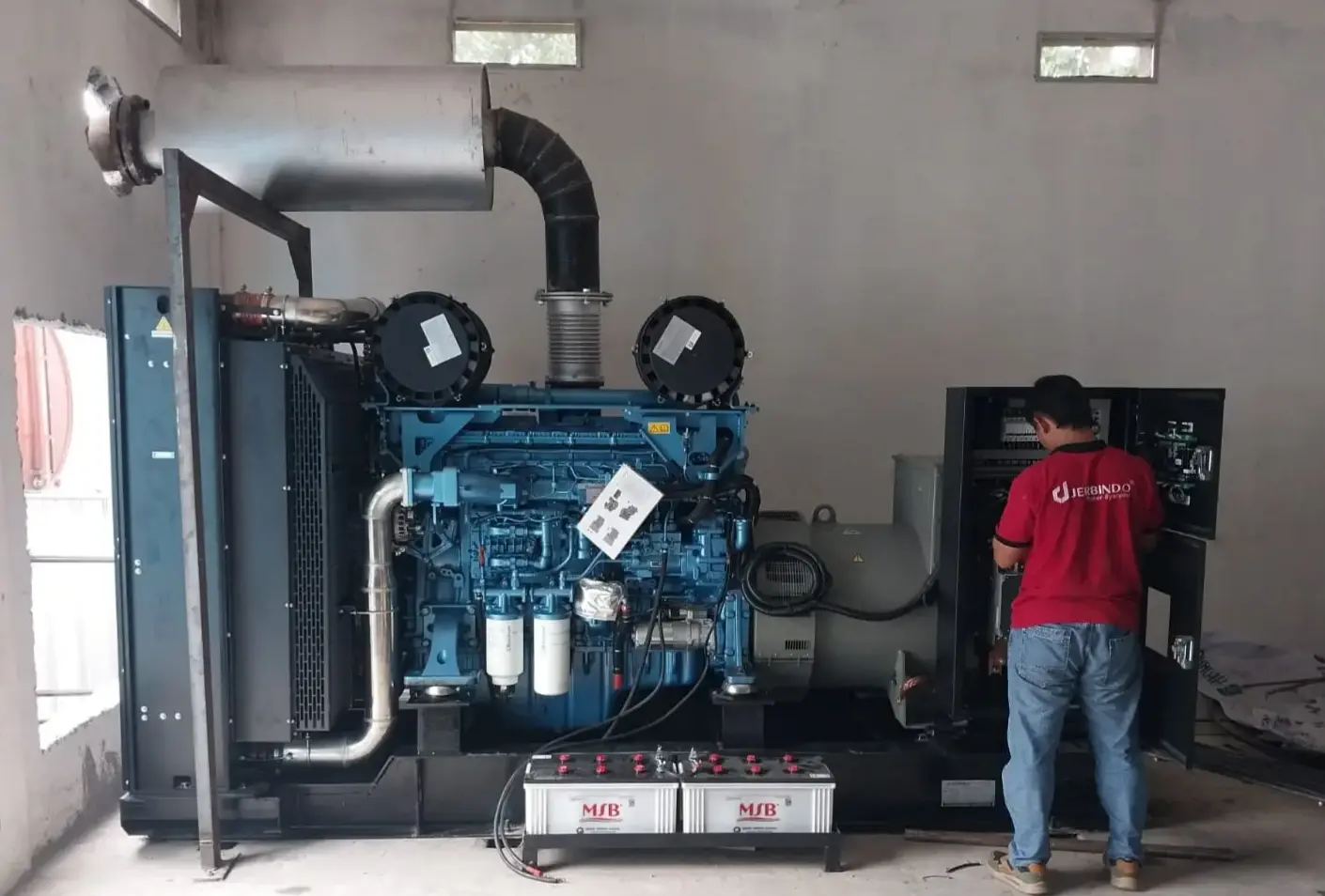
A standby generator may accumulate few operating hours yet still be expected to accept load within seconds. That duty makes an hours-only maintenance strategy inadequate. Component age, environment, fuel condition, and testing frequency also matter.
Routine inspection
Visual inspection should cover leaks, fluid levels, battery condition, terminal connections, control panels, ventilation, and corrosion. Record changes consistently so early symptoms can be addressed before they become failures.
Fuel-system condition
Stored fuel can absorb water and develop contamination. Include periodic sampling, tank inspection, water-separator draining, and fuel polishing when test results indicate deterioration.
On-load testing
No-load exercise does not represent real performance. Periodic load-bank testing evaluates cooling, governing, alternator response, protection, and the unit’s behaviour during load steps.
Use data to set intervals
Combine manufacturer guidance with actual operating condition. Alarm history, temperature trends, battery voltage, oil consumption, and fuel-analysis results can help optimize maintenance intervals.
Consistent records and disciplined follow-up separate a reliable maintenance program from an administrative checklist.