

How to Size an Industrial Generator Correctly
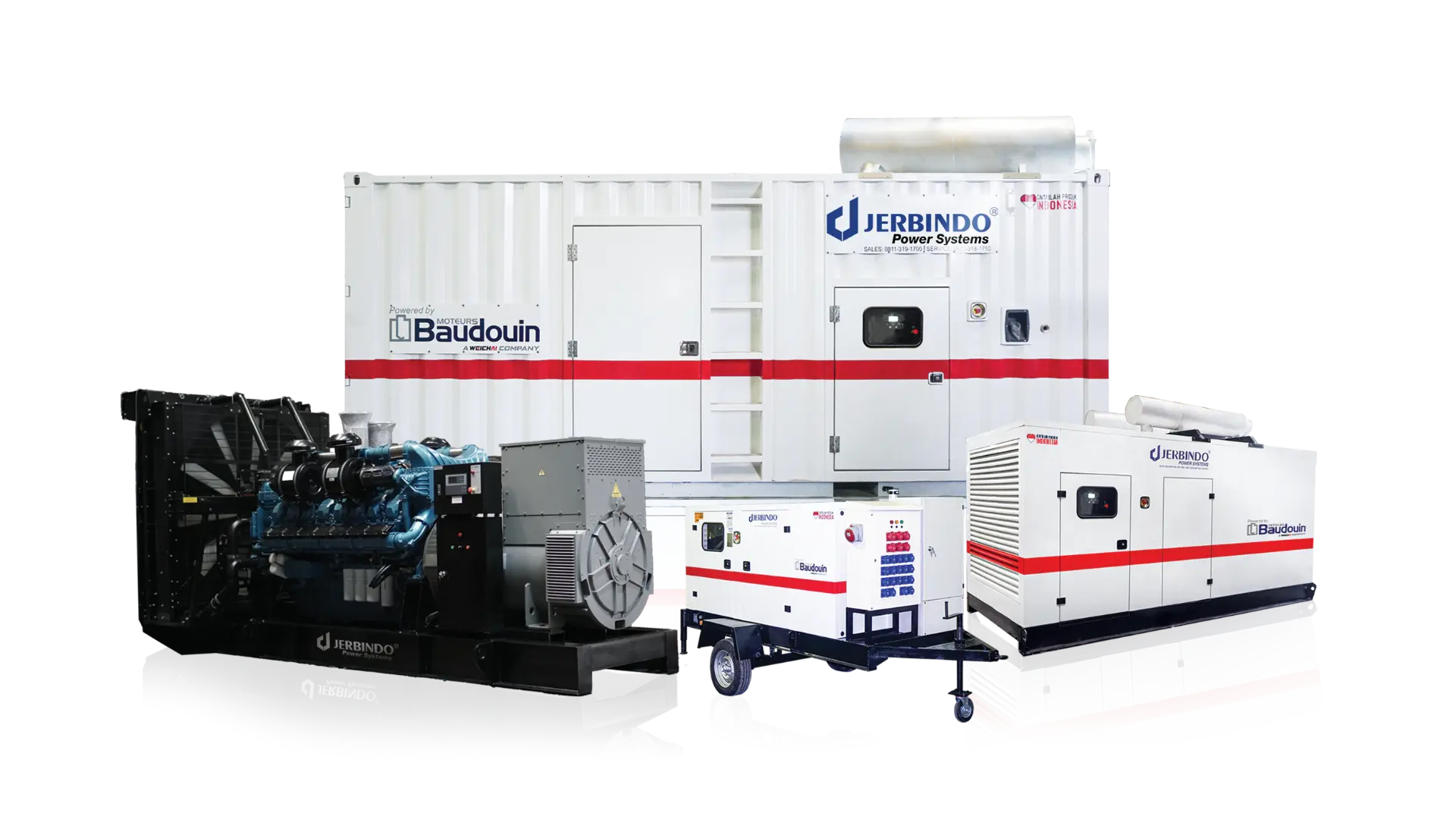
Selecting the correct generator capacity is an engineering decision. An undersized unit risks overload and voltage instability, while a significantly oversized unit may operate inefficiently at low load for long periods.
Start with the load profile
The equipment schedule is only the starting point because not every load runs simultaneously. Identify continuous, intermittent, and critical loads as well as their starting sequence. Motors, pumps, chillers, and compressors can draw several times their normal operating current during startup.
Understand load characteristics
Consider power factor, harmonic content, and transient response alongside active power. UPS systems, variable-frequency drives, and other power-electronic loads can affect power quality and alternator performance during step changes.
The study should include:
- motor starting current and starting method;
- the largest anticipated step load;
- ambient temperature, humidity, and altitude;
- realistic future expansion;
- redundancy requirements such as N+1;
- emissions, acoustic limits, and expected operating hours.
Use a measured margin
Adding an arbitrary margin can lead to unnecessary capital cost. Define margin against an actual expansion plan and known data uncertainty, then validate it through load-profile simulation.
Validate before installation
Confirm the specification through technical review and factory acceptance testing. Load-bank testing verifies voltage, frequency, temperature, and protection performance at multiple load levels.
Early consultation keeps capacity, configuration, and supporting systems aligned with the operating needs of the facility.